Analysis of Cultural Sectors Across 10 U.S. Cities Reveals Divergence in Financial Health Since Pandemic
July 16, 2026
A new analysis of 10 U.S. cities reveals sharp divergence in nonprofit arts finances — and shows that local public investment is linked to sector health.
Arts and cultural organizations anchor city life — creating gathering spaces, generating economic activity, and safeguarding public access to culture. But since 2019, they've weathered pandemic disruption, inflation, shifting audiences, and changing funding patterns in very different ways from city to city.
City Arts Sector Trends: Divergence and Resilience Across Ten U.S. Cities (2019–2024) examines the finances and operations of the nonprofit creative sector in 10 geographically diverse U.S. cities — Atlanta, Cleveland, Des Moines, Houston, Los Angeles, New York City, Philadelphia, Phoenix, Sacramento, and Seattle — drawing on data from more than 4,400 nonprofit cultural organizations.
We found that as federal relief funding waned, the gap between the strongest- and weakest-performing cities widened sharply. And while local public investment covers only a small share of most organizational budgets, it's linked to stronger financial performance and higher attendance across a city's arts sector.
Key Findings
Cities are diverging fast. The gap between the highest- and lowest-performing cities' average revenue widened 117% from 2019 to 2024.
- Atlanta, Cleveland, and Phoenix: stable or growing revenues
- Los Angeles, New York City, Philadelphia, and Seattle: financial contraction
- Houston: more moderate contraction than peers; Sacramento: mixed — rising median revenue alongside falling average revenue, pointing to broad-based growth offset by losses at a few larger organizations
Public investment has an outsized impact on sector health. Local government support covered only about 5% of average organizational expenses in 2024 — but cities with sustained or growing public arts funding saw stronger financial and attendance outcomes.
Audiences haven't fully come back. 40% of organizations grew attendance from 2019–2024, but 54% saw meaningful declines. Cohort-wide, attendance remains 44% below 2019 levels, with 31% fewer programs offered.
Pressure isn't evenly spread. Mid-sized organizations, performing arts groups, and downtown institutions face the steepest ongoing pressure — driven by revenue declines, staffing structures, and facility costs.
The report draws on data from more than 4,400 nonprofit cultural organizations, assembled through the City Arts Data Exchange, a joint initiative of SMU DataArts and Bloomberg Associates that brings together a growing cohort of local arts agencies aligning data collection efforts to support shared learning.
Notable Press Mentions
Arts groups in US cities that increased culture funding during Covid have rebounded more quickly: report. Grant, Daniel. The Art Newspaper. (2026, July 30).
Art Orgs That Received More COVID-Era Funding Outperforming Others, Study Finds. Lee, Anna. Hyperallergic. (2026, August 5 2026).
When It Comes to Cities’ Arts Recovery, Municipal Support Really Matters. Andersson, David. Next City. (2026, August 11).
Philadelphia’s Monumental Failure of Imagination. Smith, Tayyib. Philadelphia Citizen. (2026, September 2).
Brandon Johnson wants to be an arts mayor. How does Chicago’s spending stack up? Kuepper, Courtney. Chicago Sun Times. (2026, September 3).
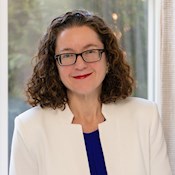
Jen Benoit-Bryan
Executive Director, SMU DataArts
“Resilience isn't evenly distributed — and neither is public investment. Where local funding is stronger or growing, organizations are better positioned to adapt; where it has weakened, the strain is increasingly visible.”